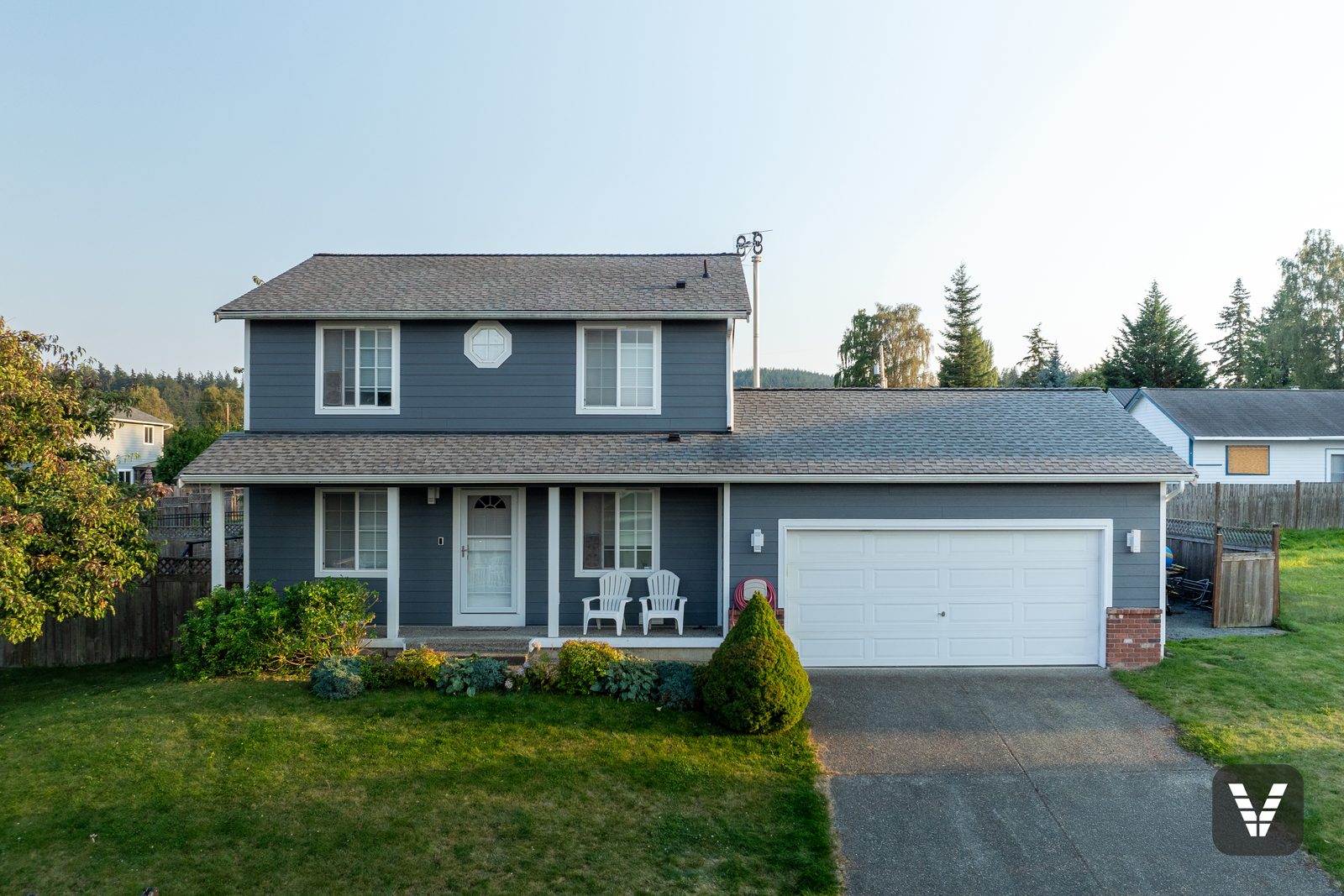
Prefinished vs. Primed James Hardie Siding: Cost, Color, and Upkeep
What's the difference between prefinished and primed Hardie siding?
Both are the same James Hardie fiber cement siding. The difference is the finish. Prefinished siding, sold as ColorPlus, has its color applied and cured at the factory, so it goes on the wall finished. Primed siding comes with a factory primer coat and gets painted on site after it's installed.
- Prefinished (ColorPlus): a factory color from James Hardie's palette, like the locally stocked Statement Collection colors, or hundreds of made-to-order colors in the Dream Collection, which typically cost more and take longer to arrive; no painting the walls on site; cut edges and nail heads are touched up with color-matched touch-up kits.
- Primed: any paint color you want; painted on site after installation; the finish and its warranty come from the paint.
Warranty. Right now, James Hardie backs HardiePlank lap siding with a 30-year non-prorated limited warranty on the boards that transfers to the next owner of the home, whether it's prefinished or primed. The ColorPlus finish has its own 15-year limited finish warranty. It's prorated, so coverage steps down each year, and it covers peeling, cracking, and chipping, plus unusual color change in the first few years, but not the gradual fading and chalking of normal weathering, or mildew; it includes paint and labor. On primed siding, the paint is covered by the paint maker's warranty, and those typically replace the paint or refund its price but don't pay for the labor to repaint. Check James Hardie's and the paint maker's websites for current terms, and our guide to warranty fine print for what to look for.
Picking a ColorPlus color? See it on your own house first: our free 3D rendering for whole-home siding clients shows your home in the colors you're considering.
Which costs more?
Prefinished siding costs more as material, because the finish is part of the product. Primed siding costs less as material, but it has to be painted, which adds labor and paint. The fair comparison is the total for siding plus painting, so on a primed re-side we quote the painting as its own line.
For reference, prefinished James Hardie siding typically runs $11–$16 per square foot of wall around Bellingham, installed with the tear-off of the old siding. Our siding replacement cost guide has the numbers by wall area and home size.
Prices change often with inflation, material costs, the economy, and tariffs and other policy changes, so these ranges are a guide, not a quote. Your written estimate has the current price for your home.
Weather. In Bellingham, NOAA's 30-year averages put the typical overnight low near 34°F from December through February, with measurable rain on about 19 days a month from November through January. Even cold-weather exterior paints are typically rated only down to about 35°F, and paint makers want the siding dry for a day or two after painting. James Hardie's instructions also call for primed siding to be painted within 180 days of installation, with a 100% acrylic topcoat, and never while the boards are wet. So a primed re-side finished in late fall can wait for spring paint weather, but not much longer, and the house sits in primer until then. If you're bringing your own painter, the same 180-day window applies, so book the painter before the siding goes up.
Prefinished siding skips painting the walls. Any fascia, eaves, or soffits that aren't prefinished still get painted on site, which is a much smaller job, and choosing a siding color that works with your existing soffits can sometimes skip that step too.
Which should you choose?
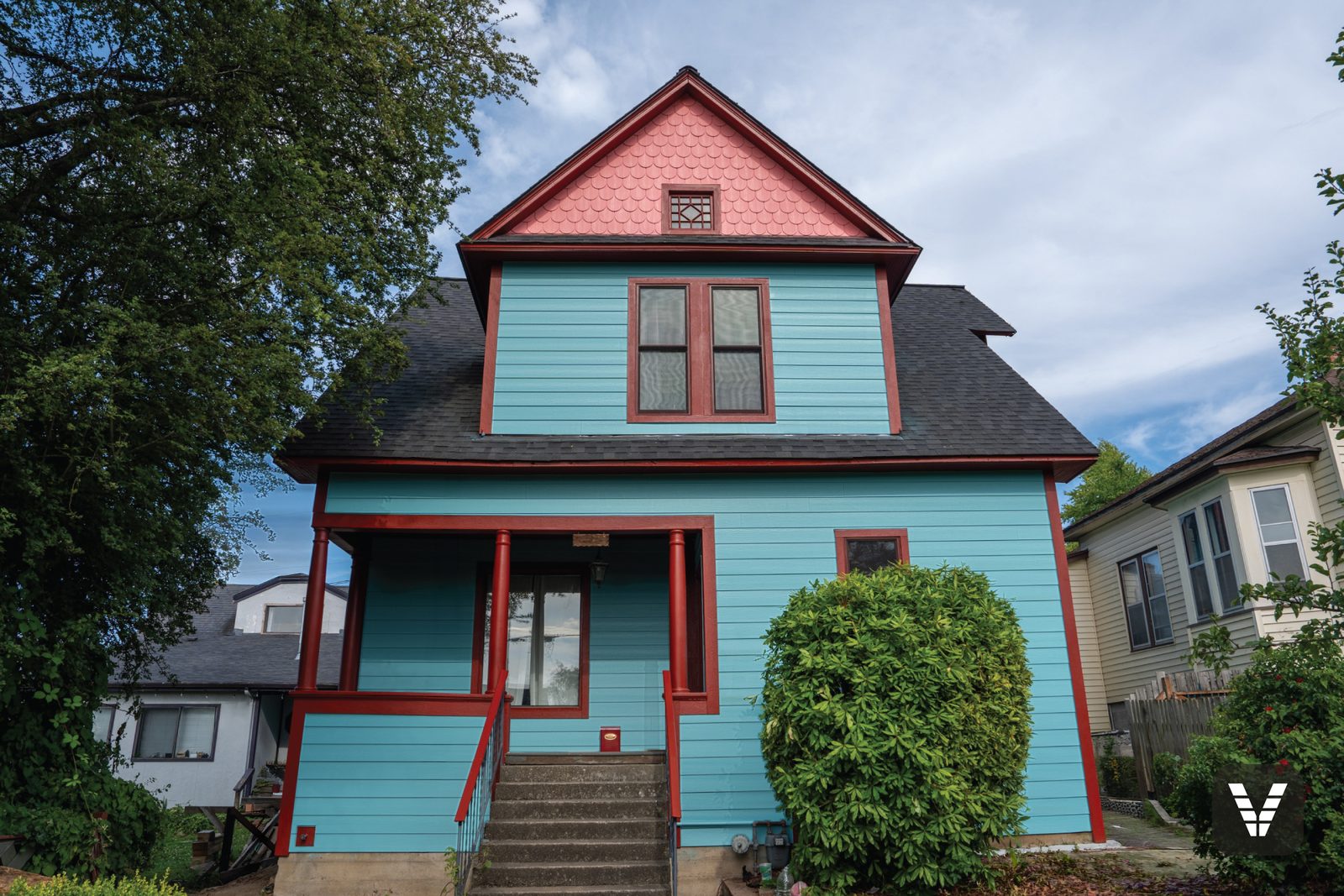
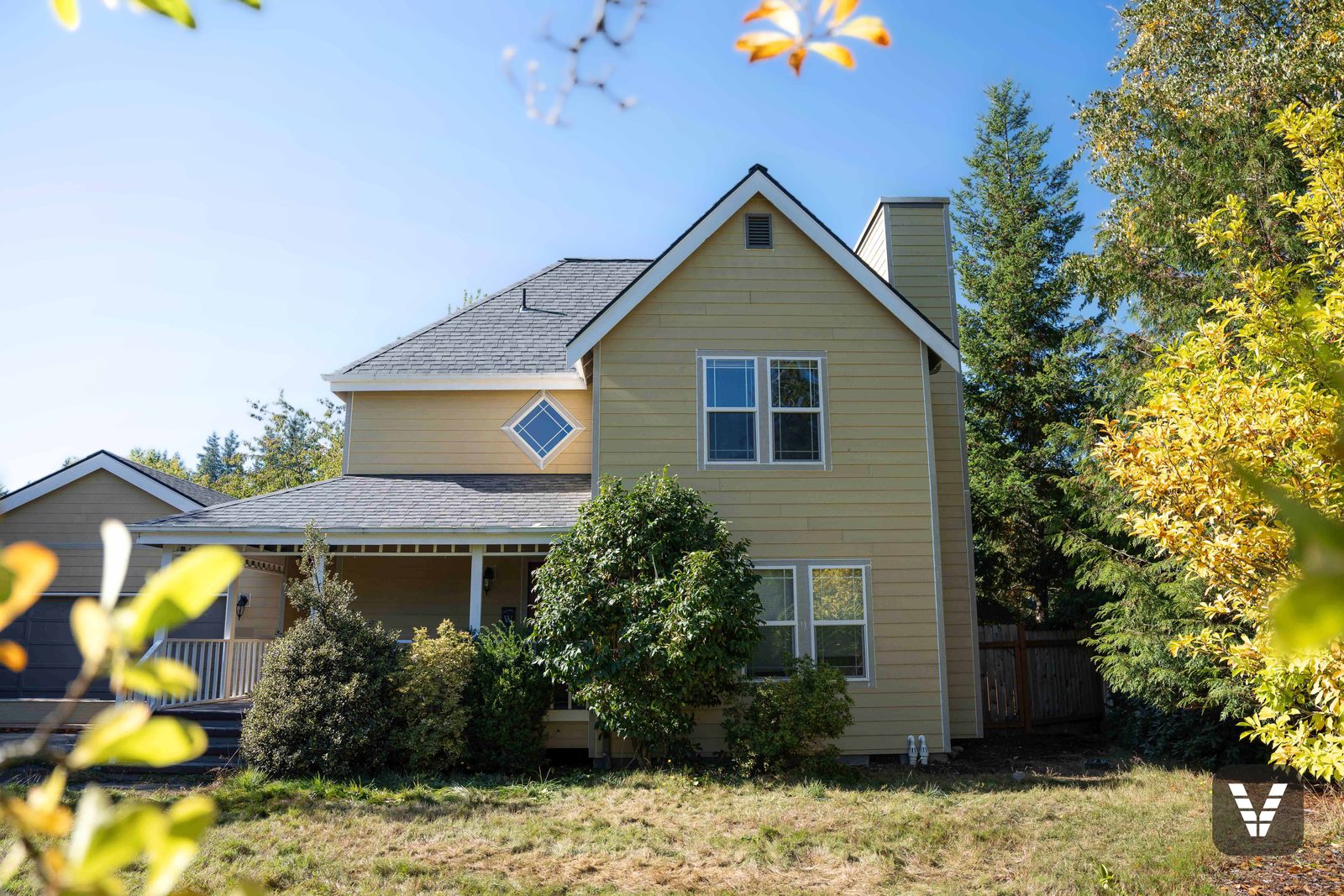
Most of our re-sides use prefinished ColorPlus siding: the color is finished at the factory, there's no painting step to schedule around the weather, and the finish carries its own warranty from James Hardie. Primed siding makes sense when you want a color neither ColorPlus collection offers, want to match an existing color exactly, or want an older home, like a Victorian, painted in several colors. Our guide to Statement vs. Dream Collection colors covers the factory options.
Historic districts and HOAs. In a few places, the town has a say. In the City of Snohomish's Historic District, the design standards call fiber cement an appropriate alternative to wood and paint colors aren't regulated, though a change of siding material still goes through design review. In Coupeville and the rest of Ebey's Landing National Historical Reserve, the design guidelines note that fiber cement has been used successfully on historic homes and leave color to the owner, but historic buildings still need a Certificate of Appropriateness for replacement siding. La Conner's Historic Preservation District reviews new siding and new paint colors. In Bellingham, only homes on the city's own historic register, which owners join voluntarily, need the Historic Preservation Commission's sign-off. If you're in a community with a homeowners association, check its color rules too; some approve colors from a set paint palette right away and send others to a committee, which can make primed siding in an approved color the simpler path.
Whichever you choose, the siding goes on the same way: house wrap over the walls, flashing tape at the openings, planks nailed into the studs, and joint flashing behind every seam instead of caulk. Joint flashing is James Hardie's recommended seam treatment, and James Hardie advises against caulking the seams on ColorPlus siding. Siding & Window Vault is a James Hardie Elite Contractor.
Upkeep. Either way, upkeep is mostly washing. James Hardie recommends rinsing the siding with a garden hose and a soft brush every 6 to 12 months, not a pressure washer; if you do use one, keep it under 1,500 psi with a wide fan tip, at least 6 feet from the wall. In our damp climate, that rinse also keeps mildew off shady walls, which James Hardie's warranties don't cover. Small nicks on ColorPlus are fixed with James Hardie's color-matched touch-up, used sparingly; for anything bigger, James Hardie's guidance is to replace the board rather than touch up a large area, so keep your color name with your house records. Our fall walk-around covers the rest.
Not sure about a color? For whole-home siding clients, we build a free 3D rendering of your home, so you can see the colors you're considering on your actual house before you choose. Pair the rendering with a real sample: screens and printed swatches can't show a factory color exactly, so hold a sample against your house, next to your trim, in morning and afternoon light.